

1. Design and planning: Determine the size, shape and organization of the toolkit. Depending on the type and number of tools, design suitable compartments and slots to ensure safe storage and easy removal of tools.
2. Material preparation: Prepare EVA material, usually supplied in sheets or rolls. Cut the EVA material to the required size and shape according to the design requirements.Custom EVA Case
3. Thermoforming: The cut EVA material is placed in a thermoforming machine, heated and pressurized so that the EVA material softens under high temperature conditions and comes into contact with the mold to form the desired shape and structure.
4. Cooling and Curing: After hot press molding, the EVA material is removed from the mold and placed on a cooling table for cooling and curing. During the cooling process, the EVA material will regain its original hardness and shape.EVA Earphone Case
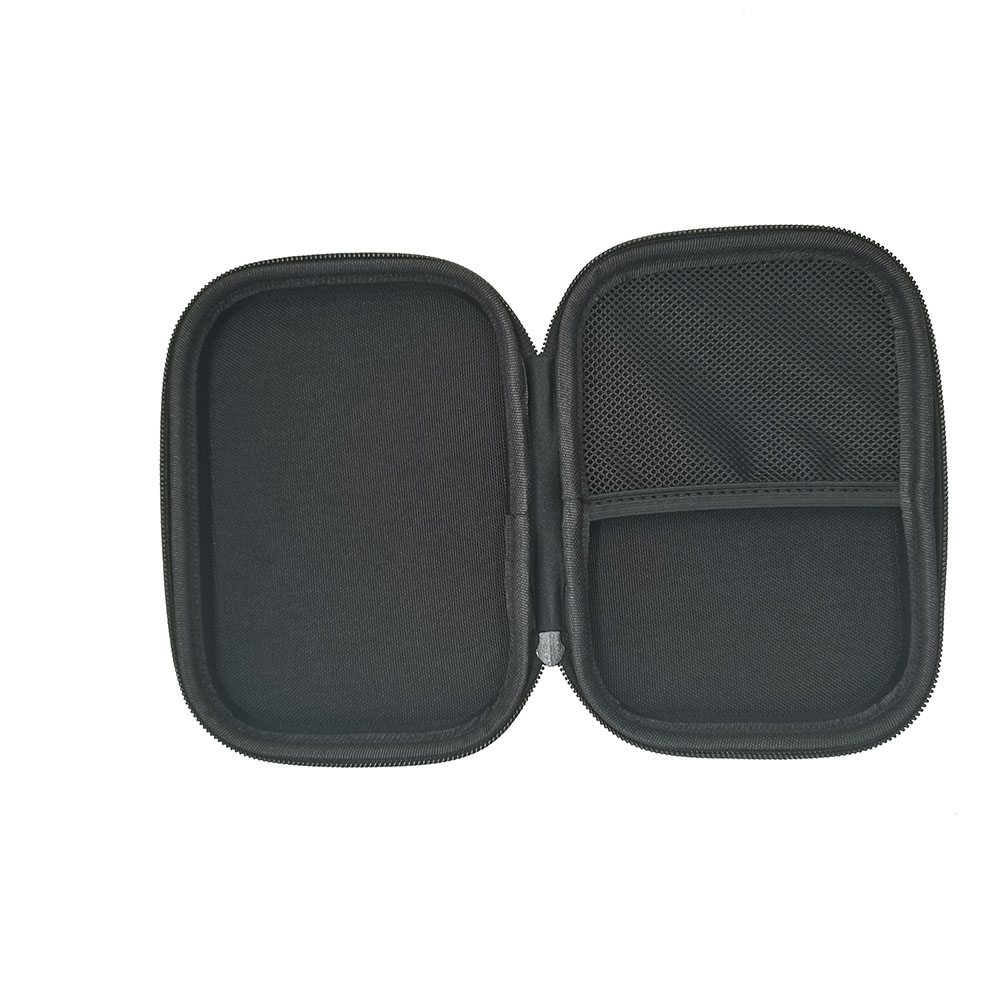
6. Cleaning and organizing: Clean and organize the EVA toolkit to ensure that the surface is smooth, dust-free and free of impurities. It can be cleaned with tools such as vacuum cleaner, detergent and soft cloth.
7. Assembling and Packing: Assemble the parts of the toolkit as needed, such as zippers, buckles, straps and so on. Finally, pack the kit for transportation and sale.Headset Storage Bags
It should be noted that the above steps are only for the general EVA tool box making process, the specific process may vary according to different manufacturers and products.